
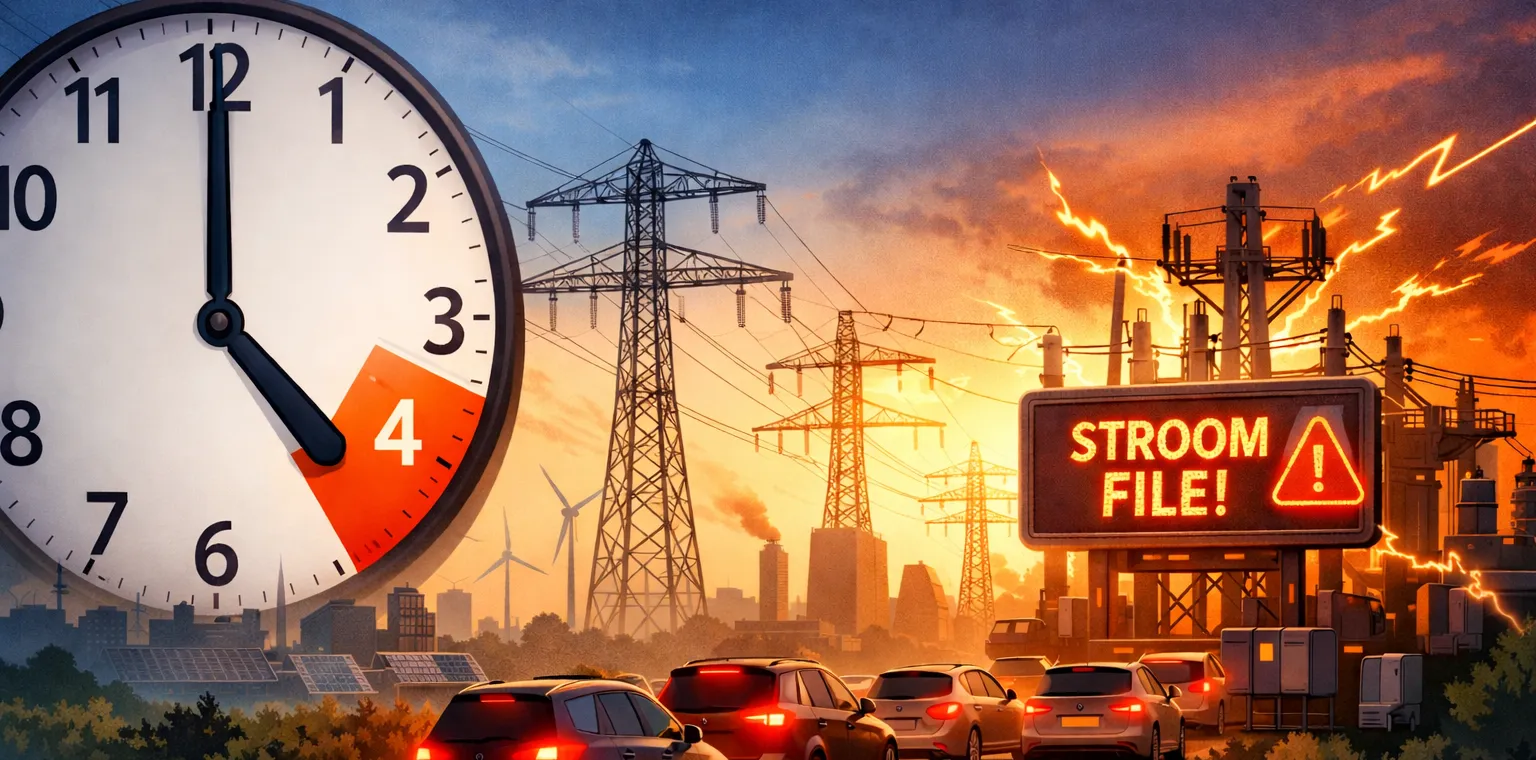
You only notice it when things go wrong: a warning from the grid operator, a peak that’s just too high, or a request you can no longer honour — extra shore power, a fast charger, a new tenant.
Why the grid is structurally fuller
Energy demand is shifting from gas to electricity: vehicles, heat (heat pumps), processes and ever more digital infrastructure. At the same time, supply from sun and wind grows, but not always at the right time or place. This creates a double problem: at some hours there is too much supply, and at other hours too much demand.
Waiting for grid reinforcement is not a strategy
More cables and transformers are needed, but lead times, scarce space and queued applications mean many locations have to wait years. Smart control is therefore not a temporary patch, but a way to create space within the existing contract — in a controlled, measurable and peak-safe way.
Peak-safe steering with a smart grid
A smart grid links measurement data, rules and assets: solar panels, batteries, charging points, HVAC and processes. The local EMS steers in real time. The central dashboard provides overview, reports and scenarios for management and directors. In practice: flatten peaks with a battery, shift charging to quiet hours, and temporarily reduce powers within pre-set limits.
What this delivers for a site
You prevent overruns and warnings, maintain grip on costs and make electrification possible again: more shore power, more charging, or electrify heat. For directors the advantage is primarily predictability: you invest with visibility of risks, payback time and operational impact — instead of guessing when the grid will ever free up.